IIS Strategy
2026 - 2032
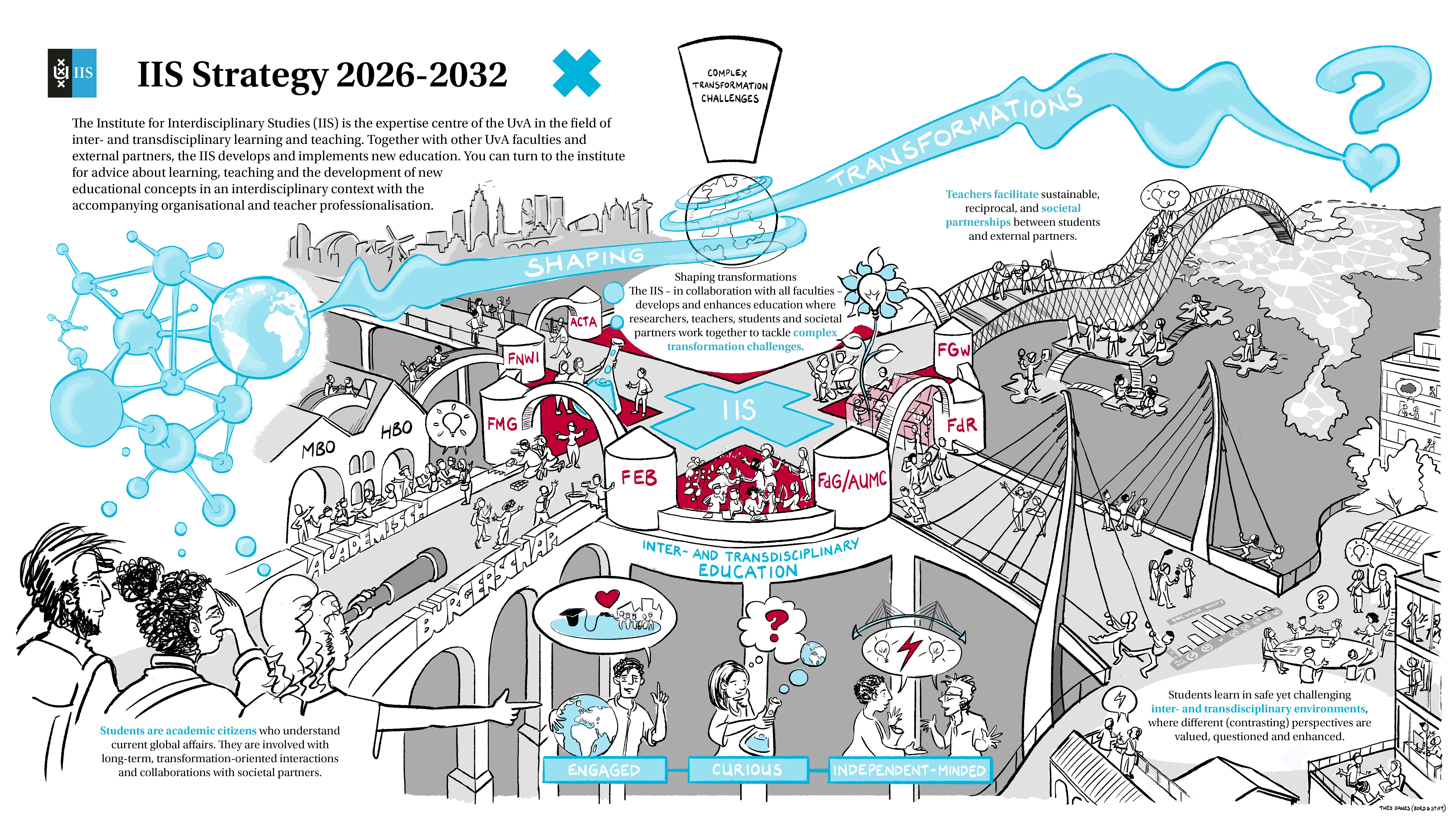
The IIS stimulates a UvA that is firmly rooted in society and actively engages with its wider environment. We create spaces for experimentation where researchers, teachers, students, and external partners can come together to critically explore complex issues and, on an equal footing, co-create new ways of thinking and acting.

Educational innovation is a means of creating meaningful impact. Therefore, we advocate for education that cultivates both cognitive and affective capacities and allows us to actively engage with a diversity of societal actors and perspectives. In the coming period, the IIS will focus on four strategic impact goals that
mutually reinforce one another:
1. The IIS develops and strengthens – together with all faculties – education in which researchers, teachers, students and societal partners jointly work on complex challenges of societal transformation.
The IIS actively contributes to the UvA's mission of being a fully engaged and responsible knowledge partner in society. In IIS education, students work together with researchers, teachers, and external partners on complex societal challenges. They learn to approach these challenges from multiple diverging perspectives and are encouraged to question assumptions, challenge established norms, and explore new ideas with an open mind.
Differences in vested interests, values, and positions of power can lead to friction, tension, or conflict. Rather than avoiding these moments, we deliberately make it part of the learning process. Students therefore not only learn to engage thoughtfully with different sources of knowledge and perspectives, but also to navigate constructively through disagreement, uncertainty, and moral complexity. In doing so, students develop into academic citizens who can reflect on and take responsibility for their actions in the public domain. By broadening their worldview, deepening their collaboration and communication skills and strengthening their empathic and moral reasoning, students develop the capacities and attitudes needed to leverage sustainable and meaningful societal impact.
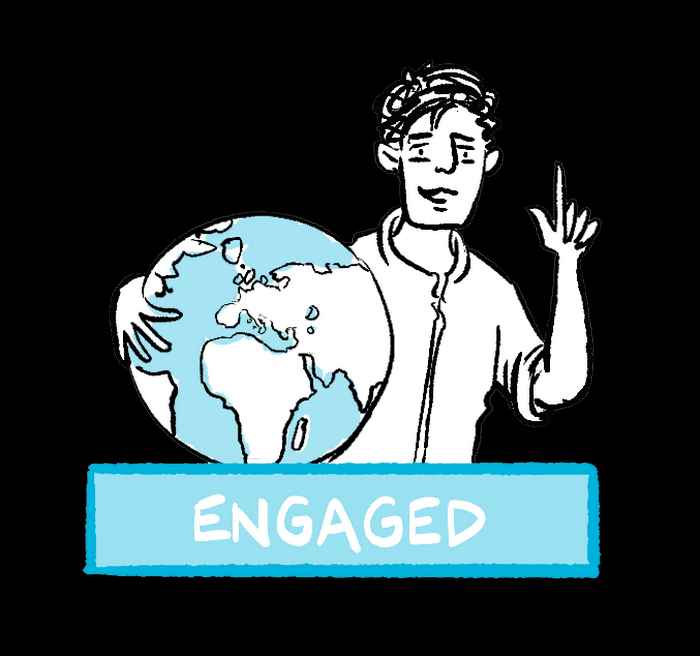
2. Students develop into academic citizens who not only understand what is happening in the world but are also able to contribute to possible ways forward. They learn to develop impactful, transformation-oriented collaborations with societal partners.
This requires a broad range of skills. First and foremost, students learn to connect and integrate knowledge from different academic disciplines through systems thinking. They also learn to engage with, and integrate, different types of knowledge: not only WO-, but also HBO-, MBO- and community knowledge. Iterative, ‘learning-by-doing' approaches that connect knowledge generation with practical application, such as experiential learning and design thinking, provide valuable frameworks for this. Alongside these cognitive capacities, students also develop the affective capacities they need to shape the future as academic citizens with the ability and agency to act in society. Essential capacities include setting goals, planning, taking action, persevering, and dealing with uncertainty and setbacks. Alongside this, students also develop their creativity and social and relational skills. These capacities are more important than ever in a world in which AI is playing an increasingly prominent role.

3. Students actively participate in safe yet challenging inter- and transdisciplinary learning environments in which different, and sometimes opposing, perspectives are valued, critically examined and creatively enriched.
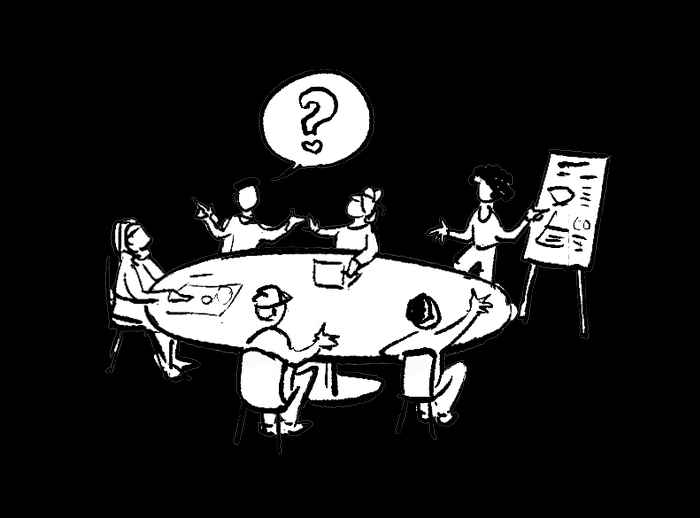
Students learn to navigate tension and difference, demonstrate empathy, and reflect on their own position, assumptions, and actions. They learn not only to listen to others, but also to formulate, substantiate, and defend their own positions carefully. It is important that disagreement and friction are not avoided: it is precisely when perspectives collide that opportunities arise for deeper understanding, nuance, creative solutions, and more conscious positioning.
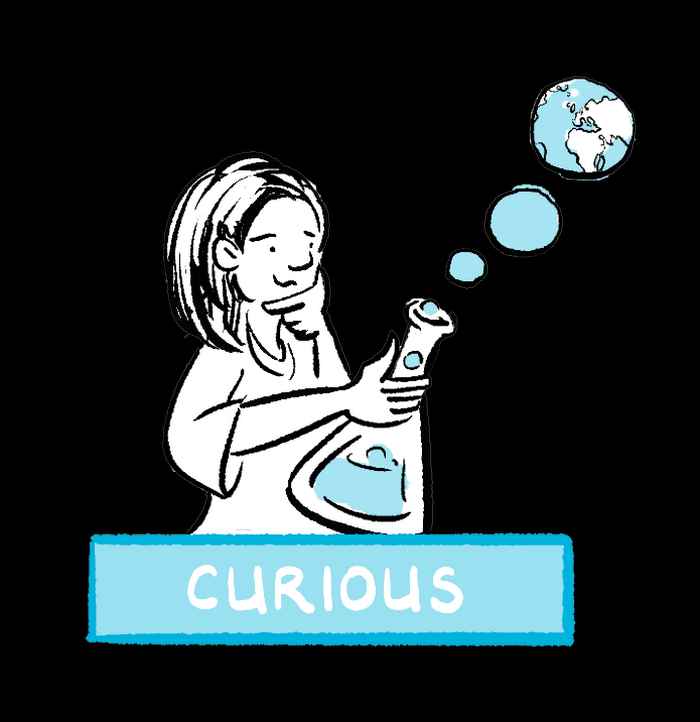
Students learn to explore and combine different perspectives, developing themselves into independent, resourceful, reflective, and collaborative academics. In doing so, AI is used productively as part of this process, creating more space for personal contact, dialogue, collaboration, and co-creation.
4. Teachers are equipped to facilitate sustainable, reciprocal, and societally relevant collaborations between students and external partners.
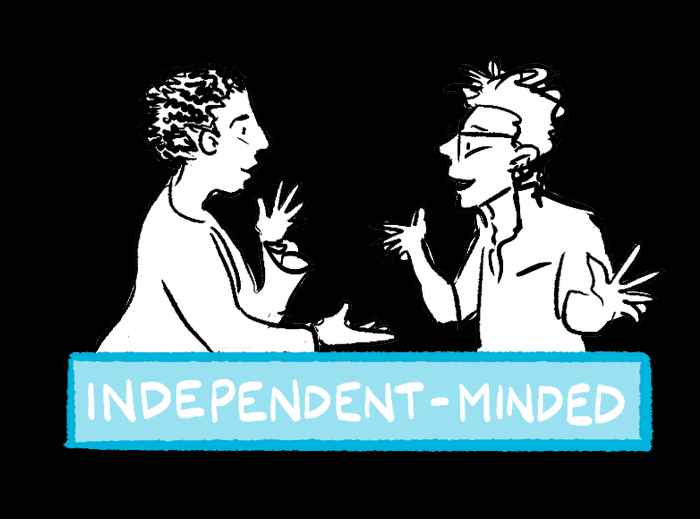
Teachers are able to create a safe learning environment in which dialogue and equitable collaboration between students, researchers, and societal partners are encouraged. Alongside their disciplinary expertise, teachers take roles as process facilitators and coaches. They create the conditions for meaningful collaboration and deliberately make space for the conflicting perspectives and societal debates that shape our society. At the same time, they strengthen the skills students need to participate constructively in these debates.
To realise the ambitions of this strategy, the IIS will develop and experiment with a portfolio of educational innovation projects over the coming years. The projects provide spaces for experimentation in which new educational concepts can be designed, tested and evaluated and, where they prove effective, implemented and scaled up in an evidence-informed way.