Dit zijn de 10 genomineerde ideeën van 2026
De UvA Create a Course Challenge
Maya Ozbayoglu – MSc Artificial Intelligence
AI is advancing faster than our ability to understand or control it. Whether humanity and highly capable AI can share a future depends on three questions: how we grow these systems, how we govern them, and whether we can agree on what matters most to us as humans amid an unrestrained AI race. Drawing on computer science, political science and philosophy, this course tackles all three. Is there such a future? If so, how do we make it happen? If not, how do we avoid building what we cannot control? Students probe AI models for failures, map risks and solutions together, and debate the values at stake. Through Safe AI Netherlands, leading experts join as guest speakers, and students present recommendations for the Netherlands’ first AI safety institute. Open to every Bachelor’s student: no technical background needed, only curiosity about our shared future.

Eliott Clergeot & Robin Ziegler – BSc Political Science
Where does your coffee come from, and how does it reach you? Why can a ship stuck in a canal raise prices worldwide, trigger sanctions or spark a diplomatic crisis? About 80% of world trade moves by sea, yet few of us know how oil, grain or cocoa travel. This course connects economics, political science, law and geography to explain the global flows that shape our daily lives. Each week, a UvA lecturer builds the foundations while a guest (a trader, port expert or diplomat) brings real cases. No prior knowledge is needed. You’ll trace a commodity
from origin to consumer, visit Amsterdam’s port and write a policy brief from a stakeholder’s perspective. The course ends with a crisis simulation: a shock hits, new developments keep arriving, and your team must negotiate a way out. You’ll leave able to read the global economy through the flows that sustain it.
Kristiaan van den Hoeven – MSc Communication Science
Even as humanity faces climate change, diseases, and increasing inequalities across the world, we seem on the brink of destroying one another in war, yet again. What’s behind today’s discussions of conscription, emergency packages, and imminent destruction and disaster? Combining psychological, sociological and political science perspectives, Contemporary European Militarisation asks the following: How is Europe militarising today? How does this militarisation require emotional mobilisation, fundamental changes to society, and policy choices? And finally, how is this seen as necessary and inevitable?
This course encourages collaboration. Students analyse country case studies and real speeches from European policymakers, write journal entries on a conversation about this topic, and draft their own speech in favour of militarisation. Students can contribute to creative and innovative understandings of emotions, social change, and policy around militarisation. Why do we have to go to war? How can we imagine futures and understandings that transcend war?
Valentina Magrini – MSc Comparative Cultural Analysis
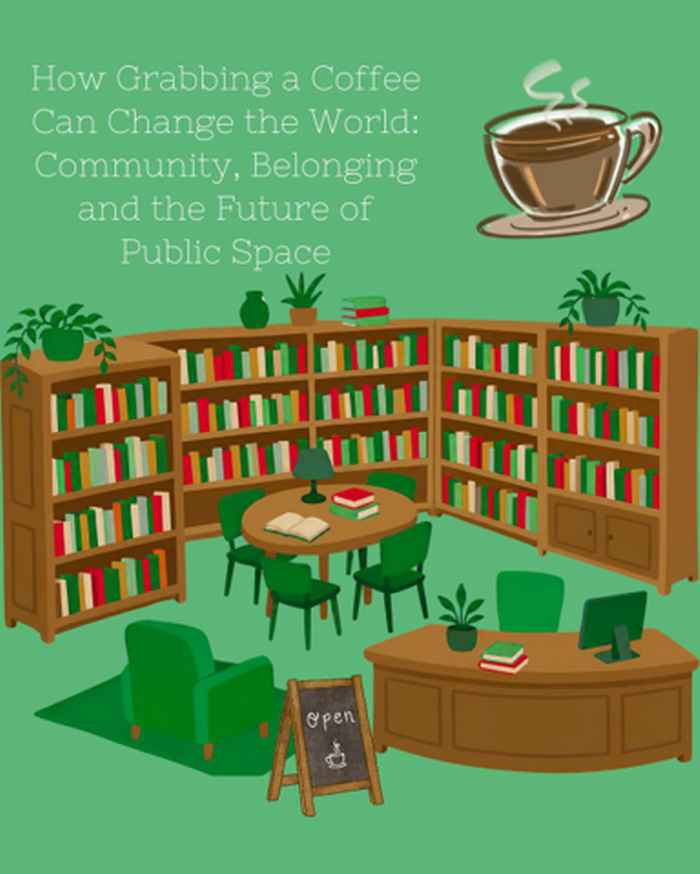
Is your favourite café really just about the coffee? Third spaces — places outside home and work where people gather, connect and build community — play an important role in our social lives. Yet economic pressures, digitalisation and changing social patterns are reshaping how and where we come together.
In this interdisciplinary course, we will explore third spaces through different perspectives. Rather than studying these spaces only through readings and lectures, you will visit them yourself, keep an observation journal and discuss your experiences with
fellow students. Together, we will critically examine how physical and digital spaces shape belonging, community and exclusion.
In a final group project, you will draw on your observations and interdisciplinary insights to develop a proposal for a recurring event, activity or spatial intervention at the UvA. How can we make space for connection, and who gets to shape the places we share?
Dorea Laan & Helene van Katwijk – Research Master Psychology en MSc Political Science: International Relations
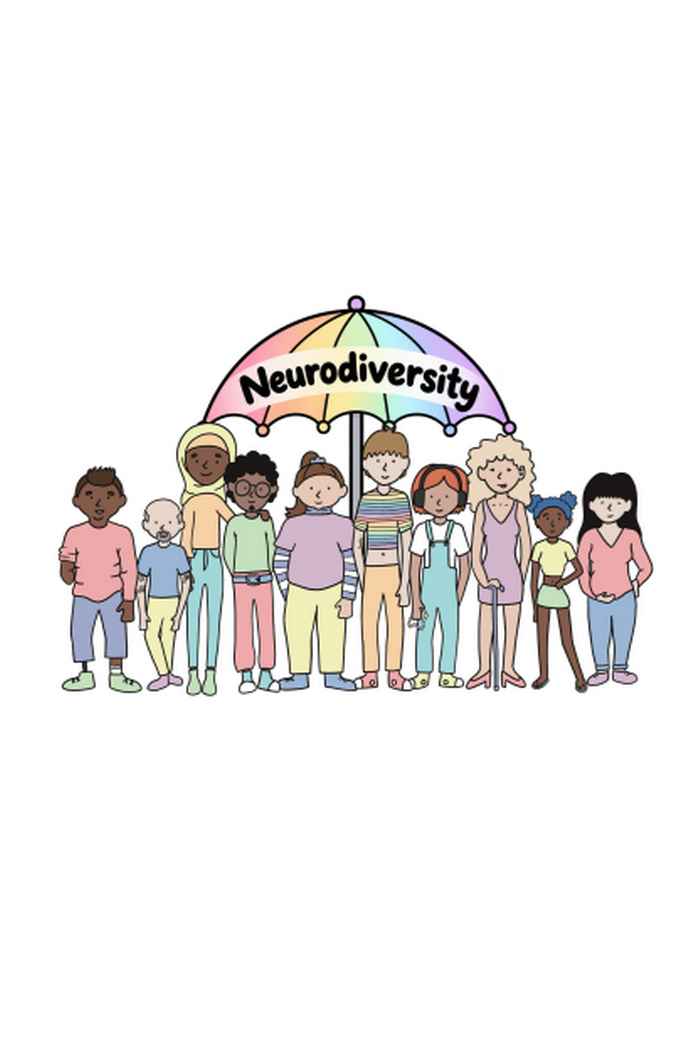
Can we reconsider what ‘being normal’ means? Traditionally, the medical model understands neurological differences like autism and ADHD mainly as ‘disorders’, placing the pressure to adapt to society on neurodivergent people. In contrast, the neurodiversity paradigm views these differences as natural, and considers how society could accommodate different minds instead.
In this course, we explore this shift in perspective through sociology, law, psychology, media studies and technology. What could this mean in practice for policy, education, and healthcare? Alongside lecturers from these fields, we will invite experts by experience and stakeholders to share their viewpoints and priorities. Drawing on what you learn, you will develop a proposal for change in a real-world setting.
You will also reflect on your own relationship to neurodiversity and the assumptions you bring to it. By the end, you may not only see your future work differently, but also yourself and the people around you.

Jennifer Schulze & Julian Präsent – MSc Sports & Performance Psychology en Research Master Psychology
Can a serious game help people tackle a serious problem? In ‘Playing with Serious Problems: Designing Games for Societal Change’, you join students from other disciplines to tackle a societal challenge by building a game. Combine your expertise with new perspectives, experiment with unconventional ideas and turn research into rules, stories and choices that players can explore- without prior programming or game design experience!
Could your game help people recognise misinformation, navigate a housing crisis or explore loneliness? You decide how to bring the challenge to life through a board game, card game or simple digital prototype. From first idea to playable game, you’ll develop, test and rethink your design, and discover that sometimes failed ideas lead to even better ones. The course ends with an exhibition where other students play your game. The course is open to second- and third-year Bachelor's students from all disciplines; taught in English.

Naina Grewal – MSc Communication Science
What does quantum technology mean for everyone, not just physicists and computer scientists?
Quantum technologies are advancing rapidly, attracting global investment and raising important questions about the future. From cybersecurity and healthcare to finance, climate and defence, their potential impact extends far beyond the laboratory. But how much of the hype is justified, and how prepared are we for the changes ahead?
This interdisciplinary course introduces students from all academic backgrounds to the fundamentals of quantum technology and explores its implications for business, law, politics, ethics and society. Through real-world case studies, debates, expert discussions and interactive workshops, students will investigate emerging applications, compare international quantum strategies and examine questions of security, regulation and responsibility.
Working in interdisciplinary teams, students will take on a consulting challenge, developing evidence-based recommendations for an organization.
No prior knowledge of physics or computer science is required.
Prabhnoor Kohli – MSc Media Studies, Cultural Data and AI
AI is changing how we work, learn and vote, yet the big decisions about it are made by a handful of governments and tech companies. Drawing on international relations, strategic & crisis communications science, and critical AI studies, the course is built around negotiations. Each student represents an actor, from governments and chip makers to data centre activists, and argues its case in EU assembly sessions. A student newsroom reports on every simulation session teaching students how to do quick reportage.
The first 3 weeks of theoretical foundations are organised around three debates surrounding EU’s role in the AI race: Allied AI (EU accepts dependence on foreign models in exchange for access), Sovereign AI (arguing for European data centres and models), & Democratic AI (asking who these strategies serve, while putting publics, workers and affected communities at the centre).
No prior knowledge needed. Assessments include policy briefs, op-eds, reflections, and newsroom reportage.

Tijn Oldenburg – MSc Artificial Intelligence
Plutarch believed education should not just fill students’ heads with facts, but teach them how to think. The internet gave us instant access to information, and artificial intelligence (AI) can now do some of our thinking too. So which parts of thinking should we still learn ourselves, and why are they important for work and life?
The course combines philosophy, cognitive psychology, computer science, and sociology. Philosophy forms the foundation, asking how humans relate to technology, why thinking for ourselves matters, and how this relates to meaningful work. Cognitive psychology examines how we learn, including how AI affects effort and memory. Computer science explains AI’s strengths, limits, and footprint. Sociology examines how AI is changing education and work, and which human skills become more important as a result.
The goal is to give students a framework for deciding when to think for themselves and when to outsource it to AI, one they can keep using as AI changes, during their studies and later in life.

Benedita Noronha – MSc Cultural and Social Anthropology
What comes to mind when you think of a witch? A Halloween costume? The villain of your favorite childhood movie? From the witch trials to Hollywood, the witch has been feared, hunted down, mocked and, in many cases, reclaimed. But how?
This interdisciplinary course follows the story of witches around the world, past and present and attempts to combine history, feminist theory, anthropology and media studies to re-examine power, gender and fear. You will explore how women have resisted and continue to resist oppression through esotericism, and why that story has been perpetually told as a villain’s tale. The goal is to give students the tools to reimagine what resistance to misogyny can look like and ultimately make you question the media tropes you've been exposed to from childhood. By the end, you will hopefully never look at a witch in a movie the same way.